01
Single Girder Overhead Cranes
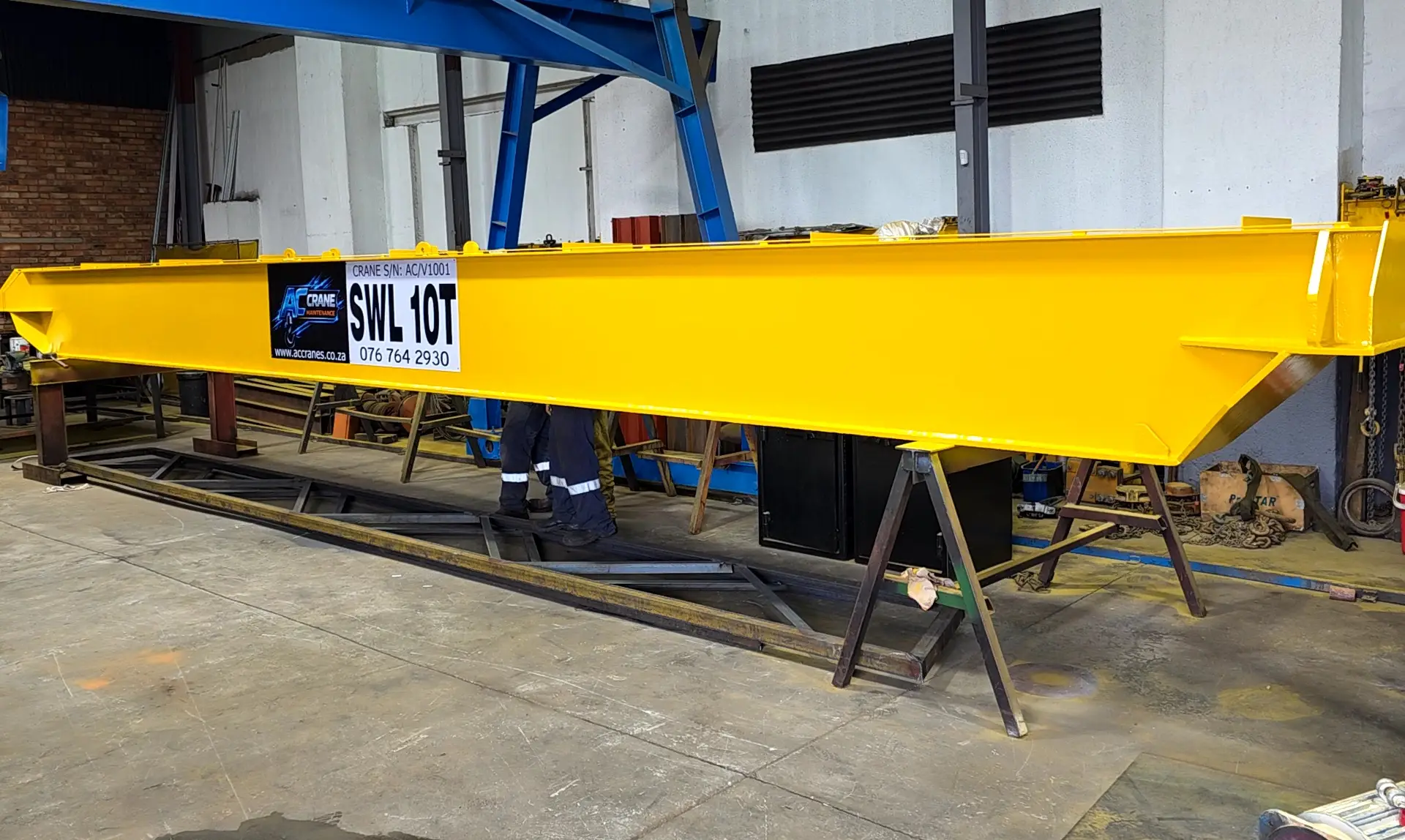
Efficient overhead lifting systems for workshops, factories, warehouses and production facilities where headroom, reliability and operating cost matter.
AC Crane Maintenance designs, manufactures, supplies and installs complete overhead crane systems for industrial, manufacturing and mining applications across South Africa.
From 125kg to 100 Ton • Single Girder • Double Girder • Gantry • Jib Cranes • Runway Systems • Electric Hoists • Controls • Commissioning
A new overhead crane should not be selected on lifting capacity alone. The correct crane system depends on how the crane will actually work inside your facility.
AC Crane Maintenance considers the required capacity, span, lifting height, duty cycle, operating environment, available headroom, hook approaches, travel speeds, building structure, control method and production requirements before the final crane configuration is selected.
We take responsibility for the complete lifting system - from structural manufacturing and runway requirements to the hoist, electrical controls, safety systems, installation, commissioning and after-sales support.
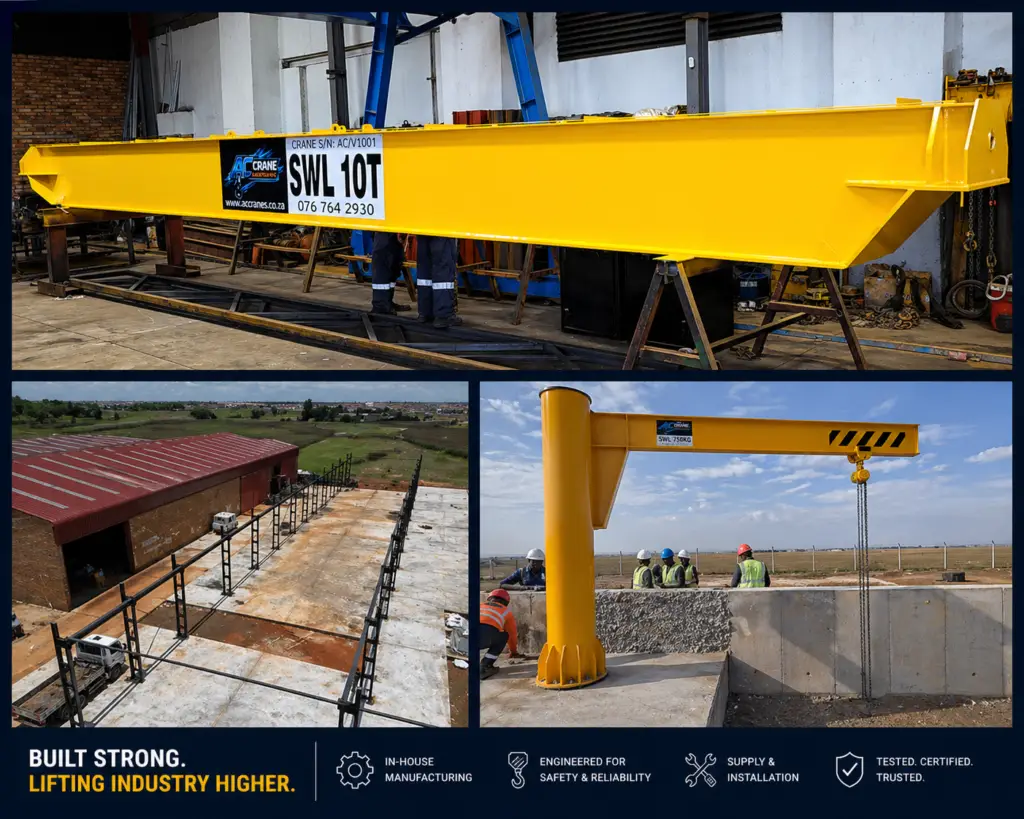
We manufacture and install crane systems around the lifting application, building layout and operational requirements of each project.
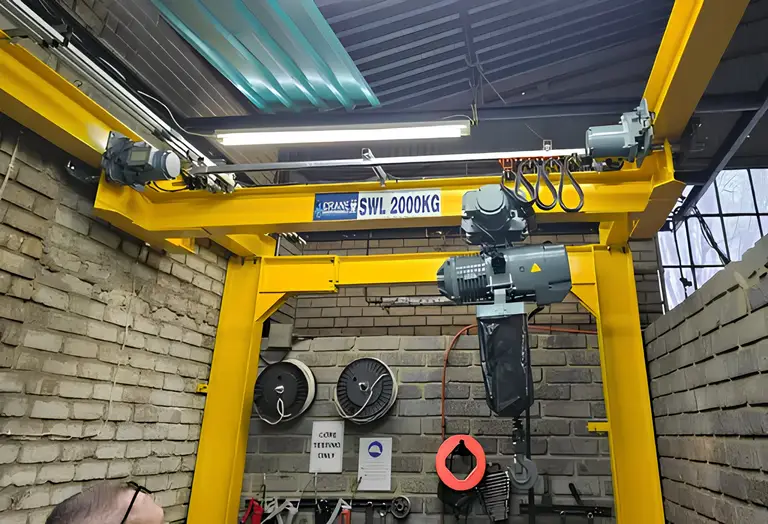
Efficient overhead lifting systems for workshops, factories, warehouses and production facilities where headroom, reliability and operating cost matter.
Heavy-duty crane systems for higher capacities, demanding duty cycles, longer spans and applications requiring improved hook height and equipment access.
Free-standing and semi-gantry lifting systems for yards, workshops and facilities where conventional runway arrangements are not suitable.
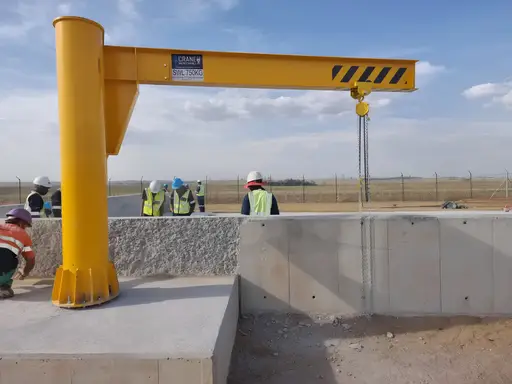
Workstation, pillar, wall-mounted and application-specific lifting systems for localised material handling and production requirements.
Two cranes with the same Safe Working Load can require completely different designs. We specify the crane around the job it must perform.
Reliable crane performance depends on far more than the hoist. Structural design, alignment, controls, safety systems and serviceability all influence long-term operating cost.
A crane lifting its rated capacity occasionally has very different requirements from a production crane performing repeated lifts throughout a shift.
Crane wheel loads, horizontal forces and operating loads must be considered together with the runway and supporting structure.
Correct runway geometry and alignment helps reduce crane skewing, abnormal wheel wear, gearbox stress and travel problems.
Variable speed drives provide controlled acceleration and deceleration, improved positioning and reduced mechanical shock through the crane drivetrain.
Load limiting, emergency stops, travel limits, slowdown functions, braking systems and other protections are integrated according to the application.
Explore Crane Safety Equipment →We consider maintenance access, component support, replacement parts and future modernisation when configuring new crane systems.
Crane Servicing & Maintenance →A complete overhead crane is a combination of structural, mechanical, electrical and safety systems. AC Crane Maintenance can supply the complete package instead of leaving the client to coordinate multiple contractors.
AC Crane Maintenance supplies Vectra lifting equipment and crane components for new installations, replacements and modernisation projects.
Depending on the application, new crane systems can be configured with electric wire rope hoists, chain hoists, wireless remote controls, end carriages, wheel blocks, electrical controls and crane safety equipment.
New crane projects require proper consideration of applicable South African lifting machinery requirements, inspection, testing, documentation and commissioning.
AC Crane Maintenance is a registered Lifting Machinery Entity and provides inspection, load testing and compliance support for overhead cranes and lifting equipment.
Load Testing & Certification →Functional checks and commissioning form part of bringing a new crane system safely into operation.
New installations and applicable modifications require the correct inspection, testing and certification process.
Project, inspection, testing and equipment records help maintain a clear compliance and maintenance history.
After installation, AC Cranes can continue supporting the crane through servicing, inspections, repairs and testing.
Our relationship with the crane does not have to end when the installation is complete.
Site, lifting requirement, span, height, duty and environment.
Crane configuration, hoist, controls, safety systems and structure.
Structural fabrication, crane equipment integration and preparation.
Site installation, alignment, electrical work and system setup.
Operational checks, testing, documentation and handover.
Servicing, breakdowns, upgrades, inspections and ongoing maintenance.
AC Crane Maintenance supports industrial operations where lifting equipment forms part of production, maintenance, material handling and plant reliability.
New cranes, steelwork, hoists, controls, safety systems, installation, testing and ongoing support from one supplier.
Our approach is built around cranes operating in real industrial environments - not simply selling components.
Planned servicing, repairs, breakdown support, parts and future upgrades remain available after project completion.
QR-based digital crane records can provide visibility over inspection history, defects, service records and crane condition.
Explore Crane Health Monitoring →Where an existing crane remains suitable, modernisation can improve controls, safety, reliability and performance without unnecessary complete replacement.
Crane Upgrades & Refurbishments →When production stops, our 24/7 breakdown service supports overhead cranes, hoists, controls and crane travel systems.
24/7 Crane Breakdown Support →Send us the required lifting capacity, approximate span, lifting height, location and application. Our team can help determine the correct crane configuration for your project.
AC Crane Maintenance (Pty) Ltd • LME 526 • South Africa